Personal Essay
Growing up Asian in a Western world, and what it taught me about representation
06.03.26
/
6-7 min
By Jacqui Lau
Share Article
Upon reading Brian’s Heterosis article, this line stayed with me:
“Media doesn’t simply document identity. It constructs it.”
His thesis explores hybrid identity and cultural representation, but that one sentence transported me straight back to my childhood in Melbourne. Different identities, different histories, yet the same realization: the world we grow up in quietly shapes how we see ourselves long before we fully understand what is happening.
1. Growing Up Asian in 80s-2000s Australia
I was born in Australia to Hong Kong Chinese parents and grew up there through the ’80s, ’90s, and early 2000s. The country prided itself on “multiculturalism,” yet very little of that diversity appeared on TV, in magazines, in advertising, or in the everyday images that signal who belongs.
Most faces in media were white.
Most stories centred whiteness.

When Asians or other BIPOC communities appeared, they were often background characters, token additions, or the subjects of narratives that framed them as foreign, problematic, or other.
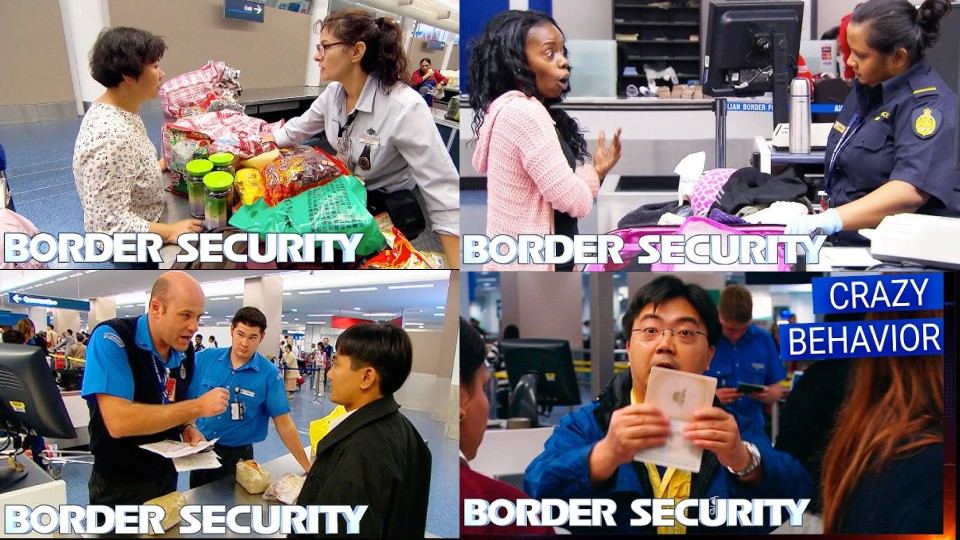
Shows like Border Security frequently portrayed Asian and brown people as suspicious or naive. News headlines often echoed similar themes. Reality tv cast a familiar template: tanned, blond, and comfortably Western. Even long-running soap operas that claimed to reflect everyday Australia rarely included people who looked like me, unless it was a single token family or character.
None of this felt dramatic at the time. It was simply the air I breathed. Looking back, I realize how much it shaped my understanding of where I fit.
2. Growing Up Between Cultures: Australia and Hong Kong
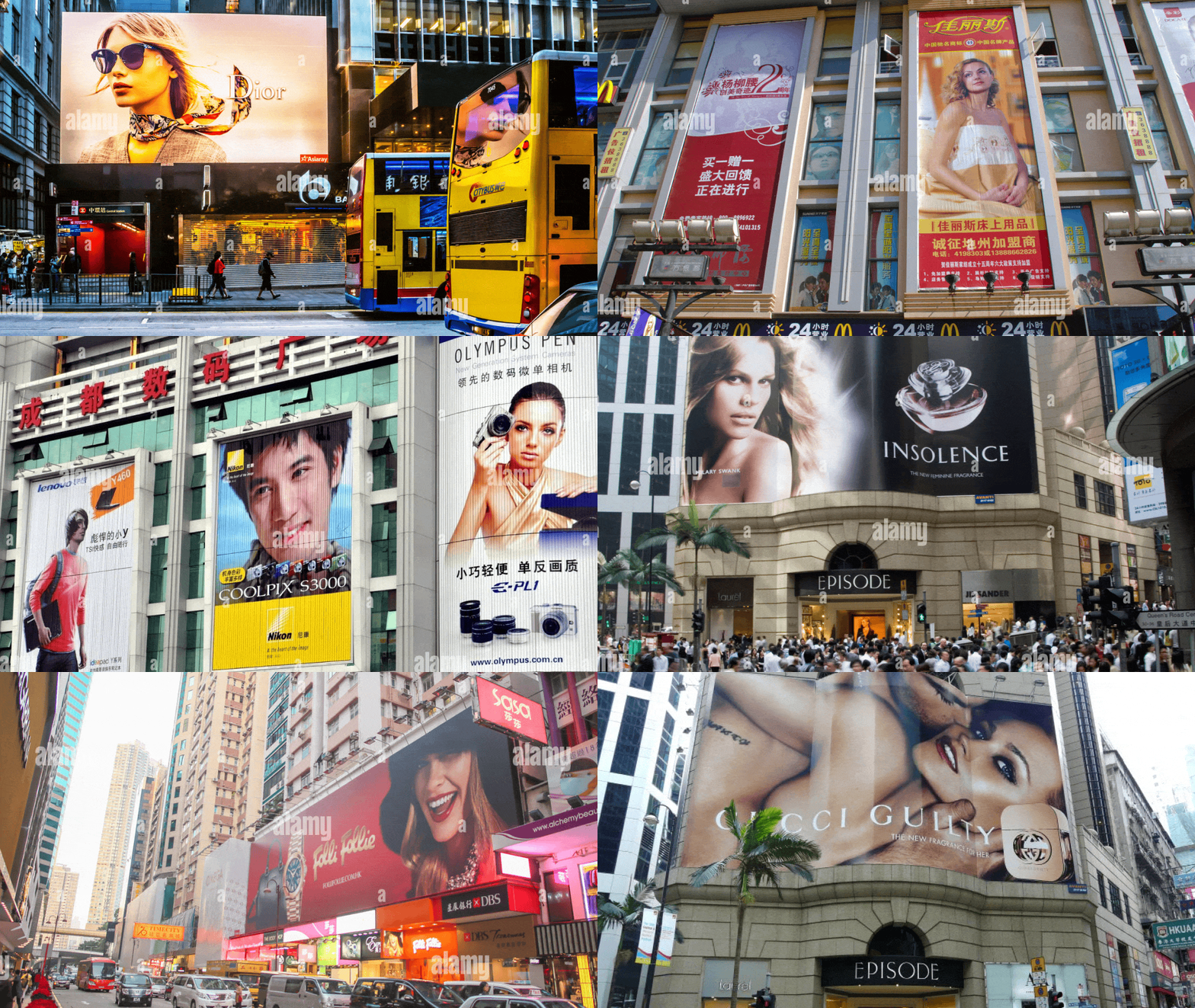
Whenever I spent time in Hong Kong as a kid or teenager, the dynamic flipped. Most people in advertising were Chinese and representation felt abundant, yet something about it still felt incomplete.
In my early twenties, I returned to Hong Kong for my first proper job in advertising. Seeing the industry from the inside gave me another perspective on how representation works depending on where you are.
I remember noticing that Westerners were often positioned as aspirational figures. The classic “gweilo” ideal: tall, fashionable, effortlessly cosmopolitan. A different template, but still a template.
It made me think:
In Asia, are minorities represented with the same visibility?
Do Filipino domestic workers, who are such a present and essential part of Hong Kong’s social fabric, appear in media in ways that reflect their dignity?
What about South Asian communities or the expat population?
Do they get to be seen beyond stereotypes?
It taught me early on that representation is not only a Western challenge. It is a global one that shifts depending on where you stand.
Working in Advertising: Seeing the Patterns Behind the Curtain
By the time I entered the advertising industry in Australia in my mid-twenties, I had already absorbed a sense of who the “default Australian” was supposed to be. Working inside the industry only reinforced it.
When selecting imagery for national campaigns, the talent available and the talent clients approved were almost always white. Featuring an Asian or mixed family often felt like something that required justification.
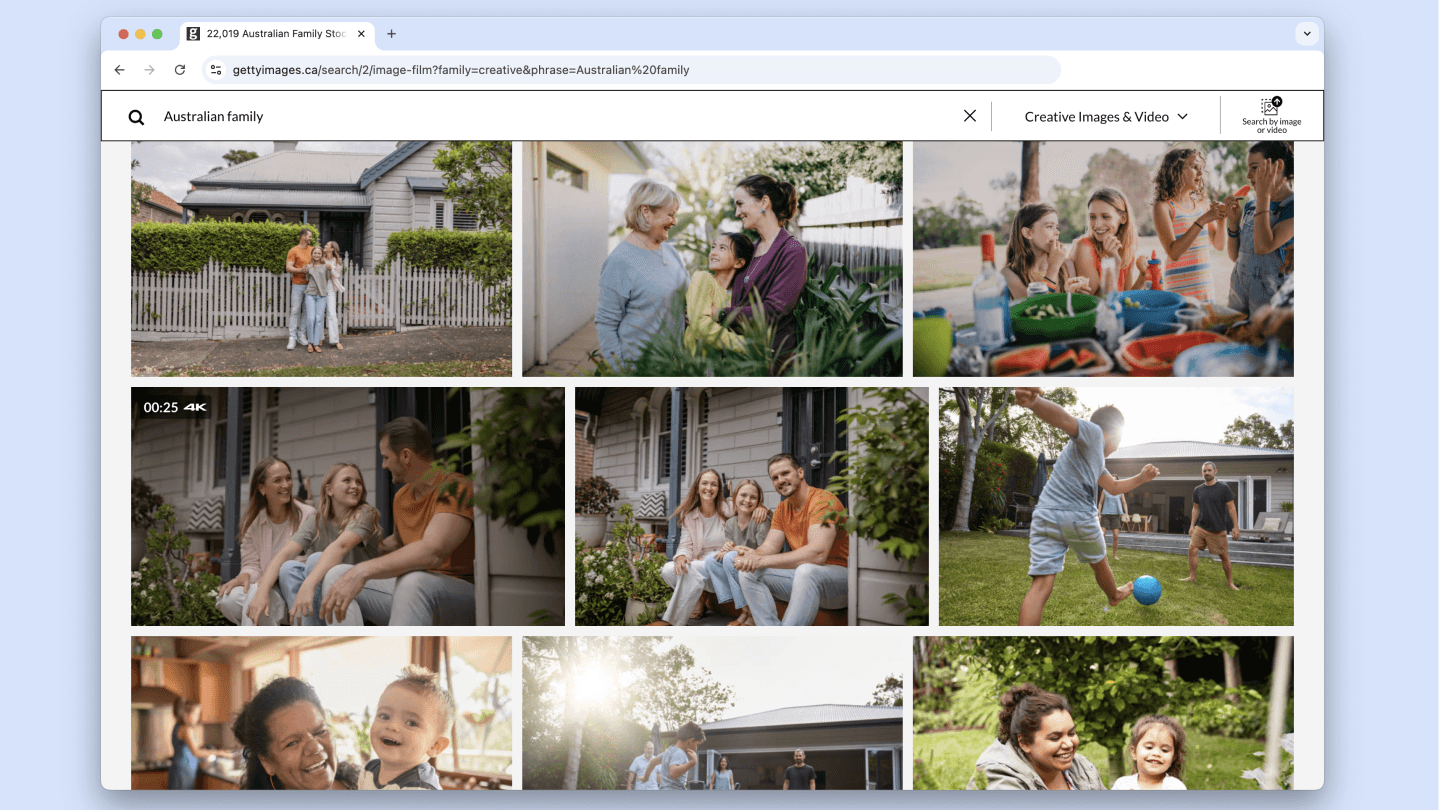
And when Asian faces did appear, it was usually in campaigns targeting migrants. Banks, telcos, and services looking to reach “new markets.” Representation driven by market segmentation rather than a broader idea of inclusion.
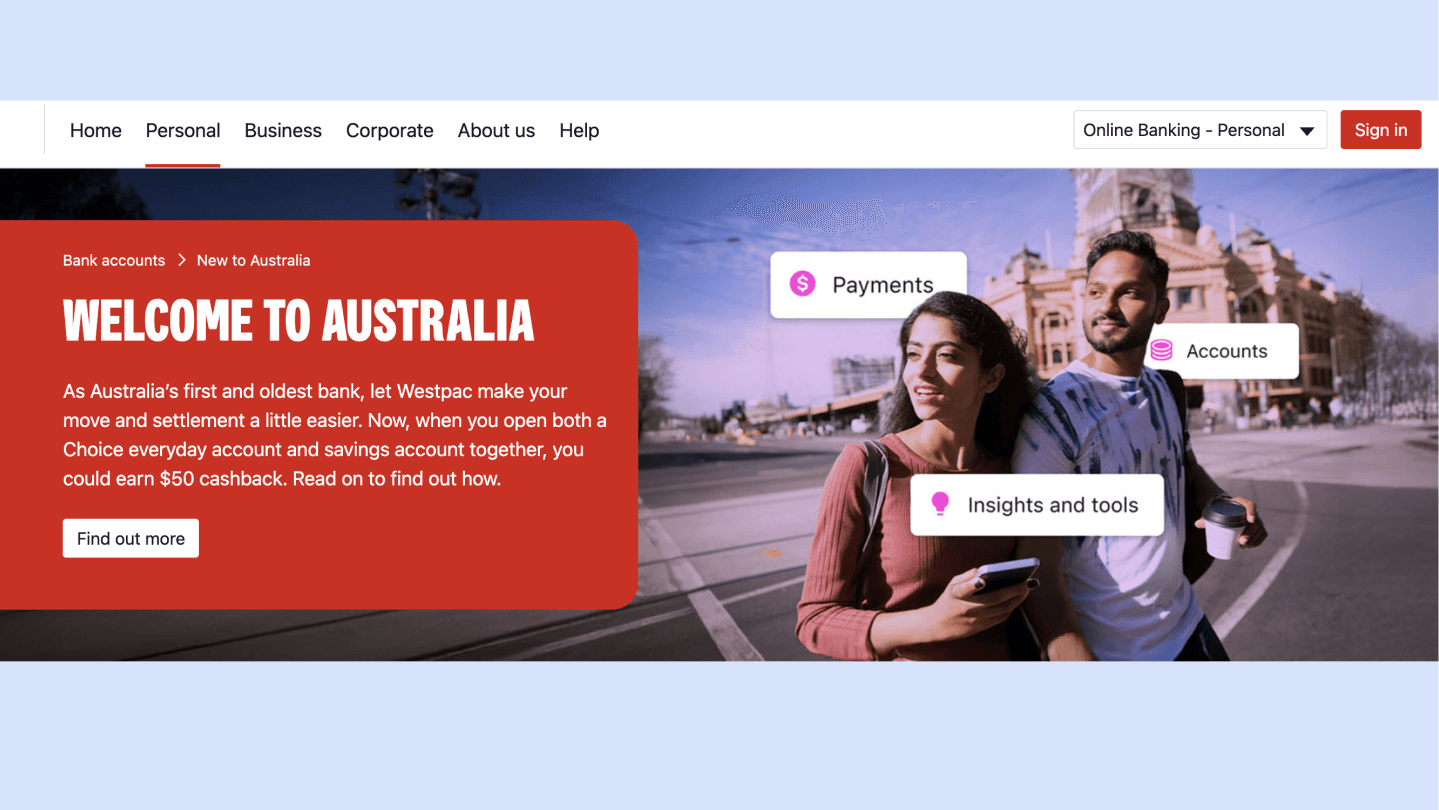
Seeing this from behind the scenes made something click long before I could articulate it.
Design and advertising do not simply reflect society. They help define it. They reinforce who is visible and who remains peripheral.
Moving to Toronto: Experiencing Representation Differently
When I moved to Toronto in my early thirties, I experienced something new: representation as an everyday norm.
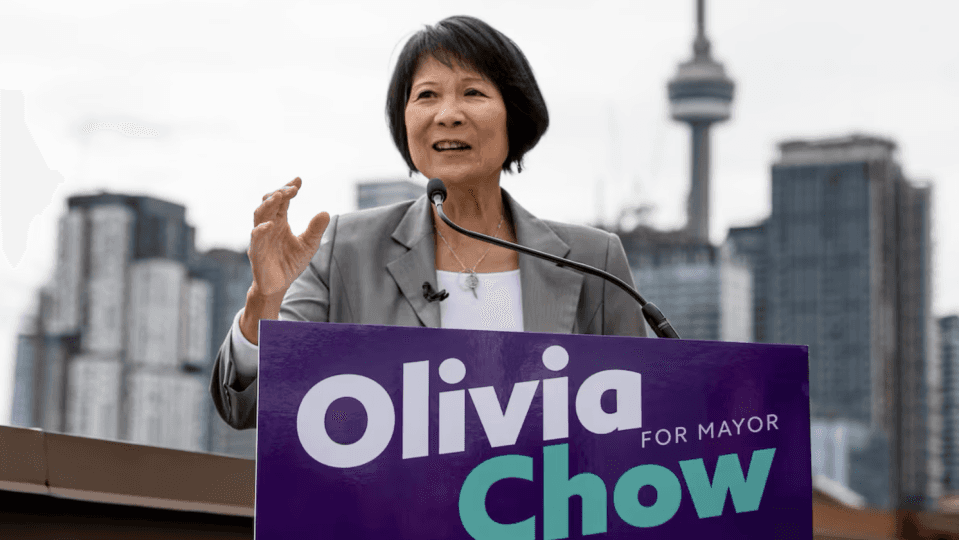
The first time I turned on the TV and saw Olivia Chow, an Asian woman, running for mayor, I felt a quiet sense of surprise. In all my years growing up in Australia, I could recall only one Asian politician in national public life. Seeing an Asian woman positioned so prominently felt unfamiliar to me.
I also remember viewing an apartment during my first week in Toronto. In the elevator, the real estate agent casually greeted a Black couple. Nothing curated or performative, just a simple interaction. It made me realize how uncommon that dynamic had felt in the environment I grew up in.
Moments like these helped me understand what representation actually does. It normalizes dignity. It sets a baseline for respect. It makes belonging feel natural rather than something you have to negotiate.
What Toronto Revealed About Everyday Diversity
Another shift came when I began working at my first job in Toronto, at Sid Lee.
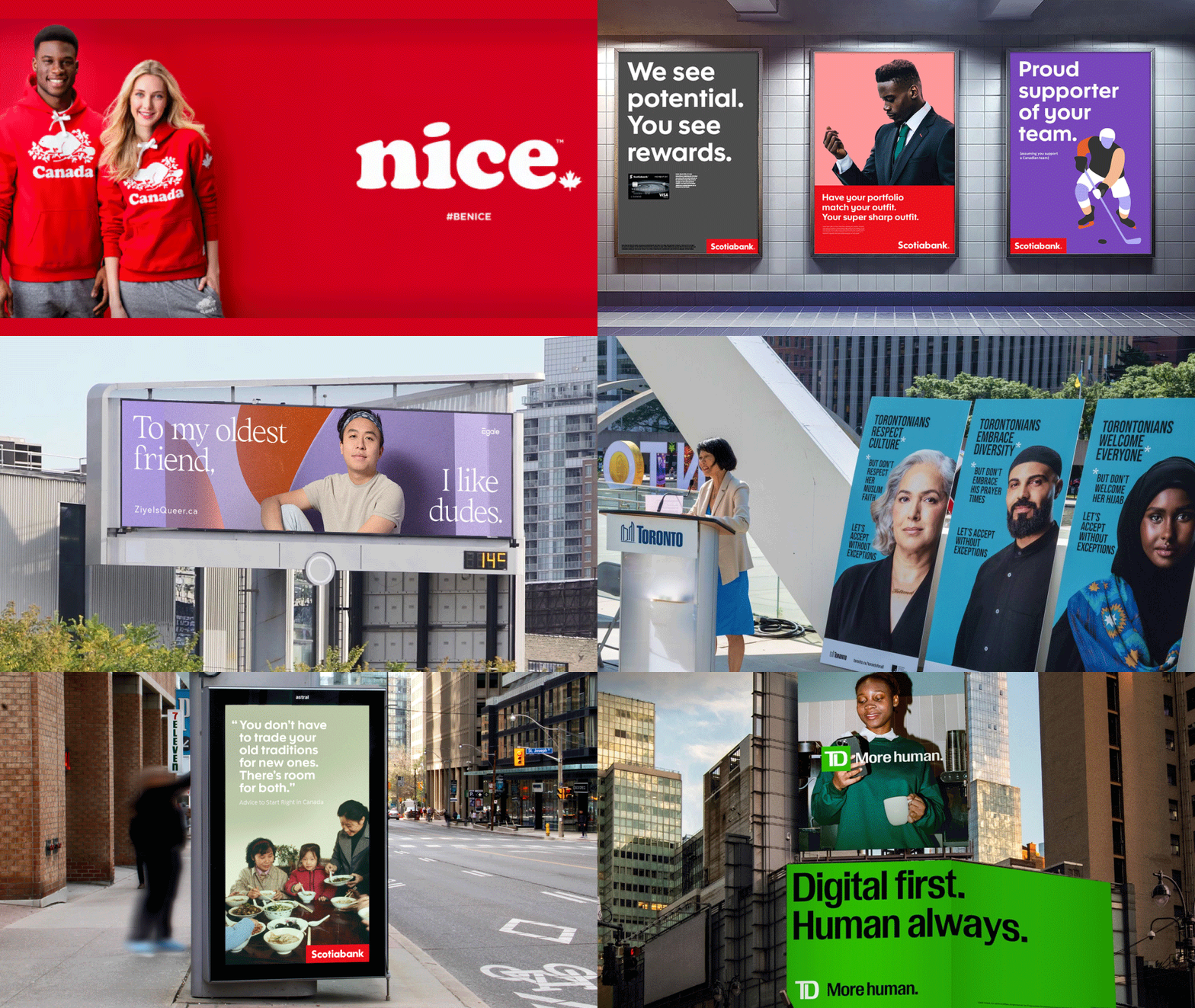
Coincidentally, one of the first projects I worked on was a large national campaign for a major Canadian bank, building out a full photo library for the brand. I had worked on similar campaigns for national banks earlier in my career in Australia, but this time the expectations were different.
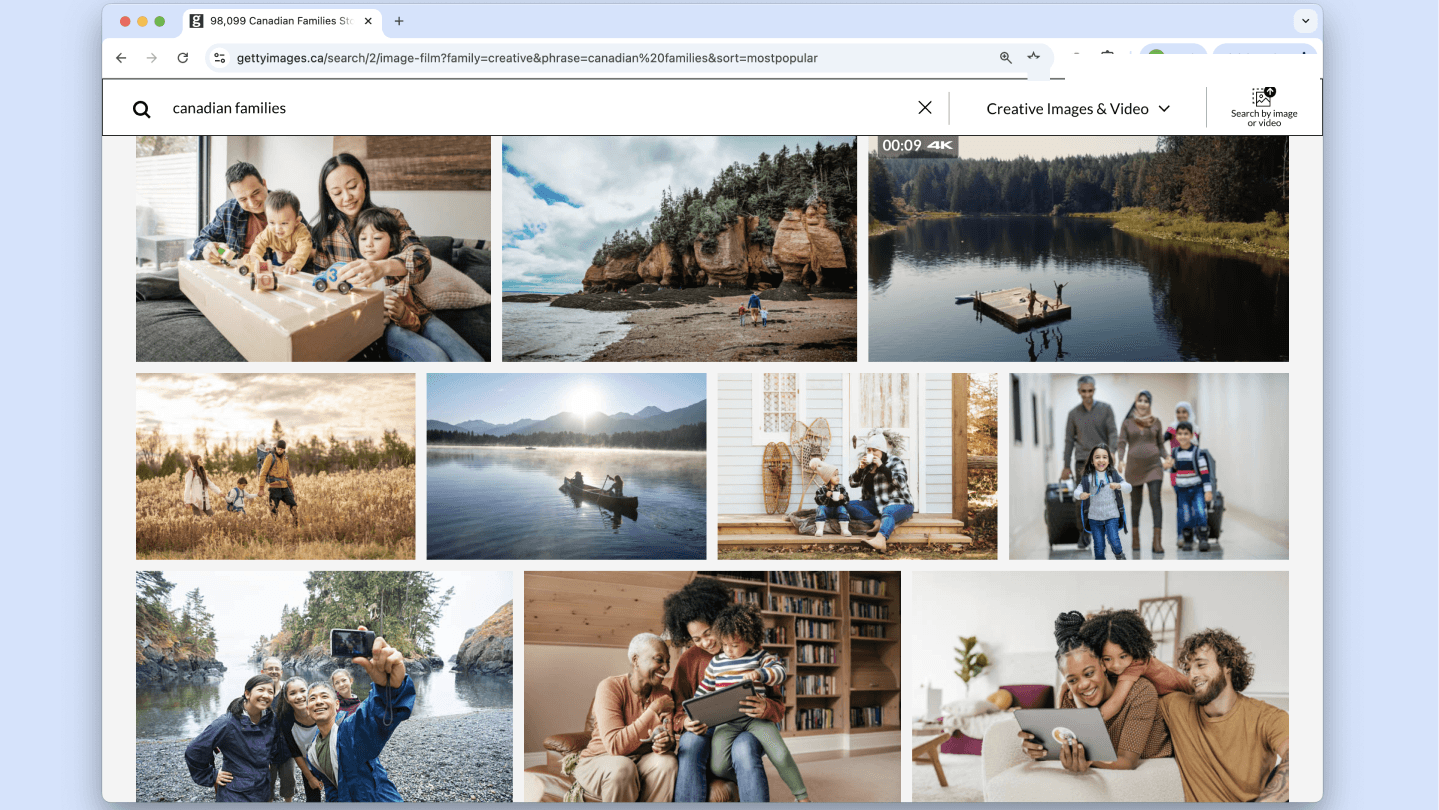
For the first time, it was assumed that casting would reflect the diversity of the city. Interracial families, multicultural groups, people from many backgrounds sharing space in ways that felt natural.
Toronto makes diversity feel effortless.
You see it on billboards, in subway ads, in friendships, in families.
Interracial couples are so common that there is no typical pairing. You genuinely cannot predict who someone’s partner might be because the city does not revolve around a single cultural template.
In the Australia I grew up in, people often paired within their own cultural backgrounds. That may have evolved since then, but it was my lived experience.
Toronto showed me how representation shapes the everyday tone of a city. Who we gravitate toward. Who we feel comfortable around. How easily cultures exist alongside one another.
It reinforced a simple idea: the images we circulate influence how communities understand each other.
Seeing Myself in Professional Spaces
Toronto was also the first place where my identity did not feel like a limitation.
Workplaces recognized my strengths. I saw young Asian women leading talks, creative teams, and workshops. Each time I felt a mix of pride and disbelief.
In Australia, I rarely saw Asian women in creative leadership roles. I never imagined myself in those positions because the world around me did not present them as possibilities.
Brian’s essay line resurfaced that truth:
Media does not just document identity. It constructs it.
And it constructed mine in ways I am still unpacking.
My Own Third Space
My sense of in-betweenness differs from Brian’s. Mine is not racial, but cultural.
Hong Kong Chinese roots.
Australian upbringing.
Canadian adulthood.
Three identities that rarely mirrored one another in the world around me.
That unfamiliar space between cultures became its own form of hybridity.
Our experiences intersect in that way. We learn who we are inside systems that validate certain stories while leaving others out.
Our Responsibility as Creatives
All of this has made me think more carefully about the work we do in advertising, branding, media, and design. Whether we intend to or not, our decisions shape the visual world people grow up with.
We are not just choosing images or casting talent for campaigns. We are contributing to the cues that tell people who belongs where and what normal looks like.
Representation is not only about visibility.
It is about familiarity, comfort, and possibility.
Children notice who appears in the world around them, who is centred, and who never shows up. Those impressions accumulate quietly and shape how someone sees themselves.
This is not just a Western issue. It happens in Asia too, simply in different forms. Every culture has its own hierarchy of who is idealized, who is respected, and who is confined to narrow roles.
There are ripple effects.
Billboards and campaigns act as mirrors to the subconscious. They help shape the internal narratives children form about themselves and their place in the world.
That is why the small creative choices we make matter.
The faces we include or exclude.
The families we portray.
The everyday life we choose to depict.
These decisions do not need to be loud or performative. They simply need to be thoughtful.
Our industry does not require grand gestures. It requires awareness, care, and an understanding that what we create becomes part of the visual world people absorb every day.
The images we put into the world do not end with the campaign.
And that, in itself, is reason enough to be intentional.
Other Articles